Friday, August 9, 2013

Liberal, Overbearing, New Age, Alternative Medicine Food Allergy Moms

My mom called the other night.

"I talked to your cousin Donna last night. I told her she should call you. She's into a lot of the same stuff you're into."

"Um...what stuff would that be, Mom?"

"You know...all that stuff about the bees and GMOs and vaccines, honey. I told her you knew a lot about it and would be happy to talk with her."

YIKES! Since when did having a kid with food allergies automatically qualify me for the willing-to-accept-every-random-theory club?

As you guys know, I do a lot of reading and I have come to think there may be something to some of the alternative theories out there, particularly around pesticides and antibiotics killing off symbiotic gut bacteria. But I've also spent 25 years of my career firmly submerged in Western medicine and my mother knows this. So what the heck happened here?
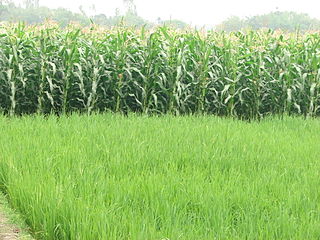
A week later, I wondered it all over again as I read this article on Slate. It's apparently debunking an Elle magazine story that links food allergies and GMO corn.
Shetterly is the protagonist of her article, and the plight she faced that spurred her to write this story is truly sad. She was plagued for years by a variety of debilitating symptoms from headaches to fatigue to hands frozen into claws by pain. She went from one doctor to another, but no cause was identified and no cure found.

On the recommendation of her physician, she went to see Maine allergist Paris Mansmann. Shetterly showed symptoms, he concluded, of eosinophilic disorder—a multisystemic condition in which white blood cells overproduce in response to allergens. These abundant cells release enzymes that break down proteins, which in turn damage the esophagus, airways, or other organs. But what was causing the reaction? Mansmann opined that Shetterly’s condition could be the result of eating genetically modified (GMO) corn. According to Shetterly, the Maine physician suggested she strip all corn from her diet.
Eosinophilic esophagitis is a very real condition. However, the primary symptoms of the disease are difficulty swallowing and reflux, not headaches and fatigue. The treatment for EoE is indeed to remove foods from one's diet. But the strong impression that was left behind by this article (and which is reflected in the polarized, scathing comments section) is that allergy sufferers are crazy hypochondriacs willing to accept any theory and that allergies aren't real.

I've talked in other columns about how food allergies have been polarized. One of my earliest columns was about how popular entertainment likes to portray kids with allergies as wusses. But how in the world did food allergies completely devolve from a medical condition to the place we're in today? Is it possible to rationally discuss the possible causes of food allergies without being immediately branded a conspiracy theorist?

Contempt. That's the only word that describes the current state of food allergy acceptance. Education actually seems to be resulting in less acceptance, not more.

I did end up talking to my cousin and she did run through the expected litany of bees/fluoride/plastics, etc. But the most interesting part of the conversation to me was her husband's voice in the background. If the sound of eyeballs rolling was transmittable through the phone, that's what I swear I was hearing. It was really important to this man (a corporate lawyer and a very nice, level-headed guy) to let me know he was distancing himself from the crazy broad he married.

We're getting a strong societal message here. Don't talk about food allergies. Don't read about them. Don't consider the causes. Minimize them as much as possible. It's a political issue. It's a boring issue. No one is going to believe you anyway.

How do our kids make sense of all this? They hide their allergies. THIS is why our teens are so much less safe than they could be. Don't believe me? Watch Louis CK's bit. He nails the contempt.

Of course they would never hide their allergies and take big risks.

But maybe.


Follow me on Facebook or Twitter  

Saturday, August 3, 2013

The Food Allergy Herbal Formula-2 (FAHF-2) Laundry List

So in all the time I've been writing about our experience with FAHF-2, I have never done a comprehensive post with all the links/info I've found over the years. Consider the situation rectified! I'll add to this as I find new sources. If you have good ones, please feel free to add them to the comments as well.

My FAHF-2 Posts


FAHF-2 Trials In Chicago!

We're In

BTDT, Got the FAHF-2 Food Allergy Clinical Trial T-Shirt

Brief FAHF-2 Update

Halfway There...But the Second Half Is All Uphill

FAHF-2: The Holy Grail?

Waiting in the Wings for the Show to Begin


Other People's Experience With FA Chinese Herbal Treatment (from around the web)

Chinese pharmacy vs. through Dr. Li

For severe eczema/MRSA

New York Times article

For asthma (Vitality magazine)

An asthma patient's personal experience

Description of Dr. Li's treatment plan

Dr. Li profile (new patient appointments: Sharon Hamlin, at 212-241-1755)

Note: I received an email complaint that people were calling Dr. Li's office asking for FAHF-2 "because of something they read on the web." Technically, "FAHF-2" (and now BFAHF-2) are experimental drugs only available through clinical trials. However, they are based on a traditional Chinese herbal formula that Dr. Li does use in her practice. Also, my son does NOT see Dr. Li...our only experience with all of this has been through the clinical trial itself. 


What Is FAHF-2?

Patent application (contains all ingredients)

Phase 1 Clinical Trial Report (has very specific info about formula ingredients)

Yellow Emperor's Inner Classic

Page from Dr. Sicherer's book about Chinese herbal medicine

Breakdown of ingredients (see chart)

Wu Mei Wan (the traditional name of the treatment) - with pictures! 

Ling-Zhi (added to Wu Mei Wan formula for FAHF-2)

Very detailed breakdown with formula percentages (scroll down to "Chinese Herbals for Peanut Anaphylaxis" section)

Sourcing it yourself (article about ezcema natural treatment in Canada) NOTE: I am not recommending doing this  - simply providing a link

2012 AAAAI presentation summary (Allergy Notes)

Research Articles


Possible mechanism for how FAHF-2 works (added 8/23/2013)

Change in PBMCs (immune blood cells) seen in kids in FAHF-2 trial (added 8/23/2013)

Anti-inflammatory effects of the Chinese herbal formula FAHF-2 in experimental and human IBD.

Clinical safety of FAHF-2, and inhibitory effect on basophils from patients with food allergy – extended phase I study

Food allergy herbal formula 2 protection against peanut anaphylactic reaction is via inhibition of mast cells and basophils

Adherence to treatment (2014 AAAAI)

Wednesday, July 31, 2013

When Food-Allergy Mortality Smacks You Upside the Head

Yes, I know about the latest death in our community. I started a long screed here about all of my favorite hobby horses:
  • The dangers of giving global medical advice over the internet (yes, I'm looking at you, web sites who are telling everyone to start giving epinephrine even before symptoms)
  • The nastiness of assuming this child's family has lost their right to privacy because they've experienced a tragedy (yes, I'm looking at you, web sites who continually stir the pot for internet traffic)
  • The danger of wallowing in the very rare, worst-case scenario and the impact it can have on our ongoing anxiety disorders (which, admit it, we all have at this point)
But really...writing about all that is just my way of avoiding something we all do not want to think about:
Some kids die and there's nothing we can do about it
The father was a doctor, for heaven's sake! He was right there. He treated her based on his training and experience. I have no doubt he did the best job he could do, probably that anyone could do. And yet she died. The medical community is aware of a hard truth: some cases of anaphylaxis are simply refractive to epinephrine. Sometimes there is nothing that can be done.

And yet, we are all nit-picking the situation apart, hoping to learn something new from it.

I cannot imagine the grief of this family. But I can certainly project that grief onto my own situation if I allow myself to do it.

Excellent article about how
not to say the wrong thing
while someone is coping
with illness or loss
I heard an interesting term the other day: grief appropriation. I have a friend with cancer and I have been doing some reading about how to be supportive rather than annoying while she's doing chemo. This was one of the nuggets I learned: don't appropriate her grief. Don't put yourself in her spot. Don't empathize to the point that you are taking over the situation, and not allowing her to express the emotions she needs to express.

How much weirder is it to do this with someone we don't even know personally? To add to their burden by kvetching on the internet when we aren't even in their intimate circle?

Look: I've been writing about this for a year and a half now. If you want to wallow, I'm not going to be able to stop you. If you want to look up every web site, and imagine your child in her place, dead on the floor, it's your choice. But it doesn't help. It doesn't help. And those types of thoughts really can do physical and mental harm.

This is the part that makes me so angry about how these stories are handled on allergy web sites: they are never disseminated with balance. They should ALWAYS be framed with the statistics: only a handful of kids die from allergies each year.

It's odd to think that admitting some kids simply die can be a freeing thought...but it can. We cannot prevent all harm to our children. Whether it's the pedophile, or the car crash after prom, or the runaway food allergy reaction, there are things that just happenBUT THEY DON'T HAPPEN TO MOST CHILDREN. We take every sensible precaution...but then we have to let go.

By all means: review your medical plan. Challenge your doctor as to whether epinephrine should be administered if there is a known exposure to an allergen, especially if that allergen is tree nut or peanut, and especially if your child is an 11-16 year old girl (hormones seem to increase reaction severity in this group). But, once you're done, set it aside. Live your life.

Keep in mind: anxiety disorders kill too. No one likes to discuss it, but suicide is the third leading cause of death in adolescents, and anxiety is a significant risk factor for suicide. We have a responsibility as parents to achieve balance in our children's lives.

Unfortunately, balanced, responsible reports about food allergy deaths are as rare as the deaths themselves. If you do keep reading these stories, think about that word as you do so: balance. Does the source you are reading balance the presentation of the story with the general risk of death? Does it balance the privacy rights of the family with your need to know? Does it balance education about food allergy fatalities with education about anxiety disorders?

If it doesn't, why are you still reading it?

Follow me on Facebook or Twitter  

Tuesday, July 16, 2013

Will the New Little Prince or Princess of Cambridge Have Food Allergies?

Yes, this entire column is just an
excuse to post these photos
I admit it. My guilty pleasure is reading all the British royalty news about the new Ruler of the Seas To Be. But a line in an article the other day caught my eye:
"A hospital porter added...'they have been cleaning the floor inside and outside of the ward. They've re-painted.'" 
I might be the only person in the world who would immediately think of food allergies upon reading that...but it's not as far-fetched as you think.

There are definitely some provocative associations when it comes to allergies, and exposure to new nursery paint is one of them.  Boy babies exposed to new paint and fungus during the first six months of their lives had several times the rate of eczema that daughters without these exposures did. (Eczema is often a precursor to food allergies.)

Love the bored flower girl!
So what else might predispose the young prince or princess to become one of our fold?

  • Hospital delivery, especially if C-section: one can assume they will be taking no risks with the life of the future Head of the Commonwealth, so the odds of Kate having a c-section (especially since this is a first baby) are high. While results are not conclusive, the systematic review of studies for c-section and food allergy have shown an association. The lack of exposure to flora in the birth canal, resulting in poor gastrointestinal colonization of helpful bacteria, may be the culprit. Some doctors even go so far as to swab the insides of the mother's whoo-haa and then place it in the baby's mouth to combat this issue!
  • Avoiding allergens during pregnancy and/or breastfeeding: in 2011, Kate and Will made news with Peanutgate when the media jumped to the conclusion that Kate must be pregnant because she was avoiding eating peanut paste. While it turned out she was not pregnant at that time, this pervasive idea that avoiding allergens during pregnancy lessens the chance of developing allergies in the newborn is a very bad one. No way to know if she avoided once she was pregnant...but eating potential allergens during pregnancy appears to be more protective than problematic.
  • Issues with vitamin deficiency/supplementation: we know Kate had hyperemesis gravidarum, or life-threatening morning sickness. No doubt she was given vitamin supplements to make up for all the illness in her early months. Unfortunately, vitamin supplementation (and in particular, vitamin D) has been associated with an increase in food allergies
So, all in all, Kate and Will are pretty screwed. Their kid will almost certainly have allergies, and may very well join the ranks of the almost 1 in 12 British kids who have a food allergy. While it would likely be a nightmare for the British Royal Protection team tasked with keeping the future little Protector of the Faith safe, it would certainly raise awareness for the rest of us! 

Kate - if you need any help with shopping or recipes, I'm here for you. When addressing me, please make sure you use the Bitch. It's part of my title, after all.

Follow me on Facebook or Twitter  

Sunday, July 14, 2013

3 Phrases I Wish Food Service Would Stop Using When Discussing Food Allergies

It's camp time again for a lot of our kids. Even though my son is 18 now, he's fulfilling his childhood-long dream of finally going to...Space Camp! It's quite expensive, but my husband and I decided we could pony up the money as a graduation gift.

I'm writing as a distraction while he's on the way to the airport to catch his plane. I knew I would cry. I knew he would get mad about it. Better to stay behind and write.

First off, let me say that the Space Camp food service people have been pretty good so far. But, having been through this a few other times with other camps, I'm seeing the same patterns of misunderstanding. So here's my list of what I wish camp and school food service organizations would edit out of their communication with parents:

1. "We handle allergies all the time." Yes, we know you do. As responsible parents, we have checked out your camp and verified that you do know how to handle food allergies. But that doesn't mean you can't make a mistake.

We parents also handle allergies every day, and yet most of us (especially those of us who have kids with common allergies) have made mistakes. It can happen to anyone. When you say this, it makes us feel like you're saying "just trust us", and that's not helpful. Working with us as a partner to double-check foods will make everyone feel more secure.

2. "He shouldn't have to worry about the food while he's here." Allergic kids need to be in control of their allergy. That means they need access to food labels. As parents, we follow the FARE guidelines for raising our child to responsibly deal with his food allergies, including teaching him REAL: Read Every and All Labels. That doesn't stop because he's at camp.

Allowing children access to food labels and giving them the opportunity to talk through the preparation of their food doesn't increase worry...it relieves worry. It also teaches self sufficiency.

It's exactly because we trust you that we are giving our children the opportunity to practice asking about ingredients and the preparation of their meals in your safe environment. When they head off to college...or the buffet at the business meeting...they'll have a better idea of how to handle things in those less safe environments.

3. "We know how to handle 'X' allergy." Knowing what a child is allergic to is only the beginning of the conversation. It's also crucial to know how sensitive the child is to the allergen. Some allergic individuals do not worry about cross-contamination because they haven't had issues. Others need strict avoidance.

Additionally, multiple allergies complicate matters. For example, the Space Camp food service used a allergen-friendly mac & cheese that contained no milk. It was a product we had not used before so I immediately checked the label. Hidden 8 ingredients down was "pea protein", something that likely would have send my son to the hospital. To be clear, the menu wasn't set yet for my son; this food was on their standard "dairy-free" menu. But it's easy for food service organizations to get into patterns when dealing with allergies and to create special menus for "peanut allergic", "milk allergic", etc. It can be more difficult (and dangerous) when multiple or less common allergens require custom menus.

I wonder if some of the perceived judgment I've felt during these interactions has to do with these types of misunderstandings. By trying to take away the worry, food service managers are often adding more worry for the parents of food-allergic kids. "We know what we're doing" can sound like "we don't want your input on how to deal with things." Simply changing these common phrases could go a long way toward building rapport.

Our own situation this time is going to be interesting. The menu for the week was not available until Friday, and I have yet to receive labels. That means my son will need to be the one to insist on the label reading. It's time for him to do this without a safety net and he's ready...but that doesn't mean I won't be biting my nails. I know there are already a lot of you out there with bleeding cuticles.

Just remember: camp is an important learning experience, an opportunity to be on one's own, a rite of passage.

Oh, and the kids will have fun, too!


Follow me on Facebook or Twitter  

Wednesday, July 3, 2013

Dealing With PTSD From Food Allergies

I haven't been writing much lately, obviously. As I'm sure all of you know, there are ups and downs in this world of food allergies and, despite all the news being good for us, the stress of introducing all these new foods has made spring a stressful time in our house.

But I thought of you all two mornings ago. That is, I thought of you all after my heart stopped racing and the nausea and shakes went away.

Monday morning, my daughter (the one we called "Teflon girl" because illness seems to just slide off her) came into the office where I was working. She had just gotten out of bed. She said "Mom, I feel so sick I don't know what to do" and slumped against my shoulder.

I thought she was kidding until I reached out and touched her. Ice cold. Covered in sweat. And losing consciousness.

She got up off the chair and lurched toward her bedroom. I followed her, heart in my mouth, just in time to see her fall full out across her bed, lengthwise. As I ran to her and shook her (no response, eyes wide open), I thought to myself "This cannot be happening. This CANNOT be happening! This is the one who doesn't HAVE medical issues!"

Fifteen seconds of shaking and calling her name - no response. I ran for the office phone and dialed 911. "I need an ambulance!" tumbled out, followed by our address, her symptoms. Yes, she was breathing. No, she wasn't responsive. No, she did not have a history of seizure disorders. More questions I don't remember. Why are they talking to me while my daughter is laying here? Why aren't they on their way?

Just then, she regained consciousness. "I'm o.k., Mom," she said. "You don't need to have them come." But they were already on their way, and I sure as heck wasn't going to tell them not to come after what I had just been through.

What I had just been through. My daughter, as it turned out, was probably going to be o.k. The EMTs did come (seemed like forever, probably only took them 5 minutes though) and checked her out. All vitals were fine. She felt fine.

When we went to the doctor later on in the day, he said she probably had a stomach virus and simply fainted. Apparently it happens a lot to teenage girls.

But there were also a series of questions from him. Any history of sudden death in the family? (Turns out cardiac disorders can manifest with fainting episodes.) Any history of familial fainting? I reminded him of her bone marrow disorder when she was a toddler...could this be related? "No," he replied, "although I'll be happy to run a hemoglobin test if it would reassure you. But I can tell from looking at her that her iron and red blood cell count are fine."

He went on to say that, 99% of the time, fainting is just a simple nervous system reaction. There's no real way to know which kids are going to have a more serious underlying cause, however, without a bunch of testing. They prefer not to do all that testing unless there are multiple episodes.

I found myself looking at my daughter in a whole new way on the way home. My Teflon girl was all of a sudden...fragile. I couldn't sleep all Monday night. I kept going into her room to make sure she was o.k., as if my presence could magically hold back another episode.

Does all this sound familiar?

Honestly, I don't know how we do it all day, every day. The idea that a seemingly healthy child could just keel over is horrific. Living in the what if it happens again world every day is even worse.

Why is it so hard to live in the moment? To simply enjoy our children without treating them like ticking time bombs? Why is it so hard to talk about the stress of medical issues with others without sounding crazy or feeling judged?

How do you shake the fear, once it's in your house? In your heart?

I don't know. I wish I did. All I can do is write about it.

Follow me on Facebook or Twitter  

Tuesday, May 21, 2013

Dispatches From the Food Allergy Jungle

Hello. I know it's been a while since I've written. But it can be tough to get messages out from the Back of Food Allergy Beyond. The message traffic seems to only go one direction with food allergies. We feel very alone and isolated out here. But, I've been writing down our thoughts and experiences in a diary over the last few months, and will share some of those now with you.

From Day 14

Read today (after the fact) about another March food allergy death and saw a response from a noted allergist, someone I really respect. Her message was "why is it so hard to understand that FOOD ALLERGY KILLS?"

It almost broke me. I wondered again what we're doing out here, on the fringes, feeding our child these foods. We're off on this new tributary and there's just no support or shared experience on this particular river.

Does every allergy in every child really need to be treated the same? Where's the advice and support for outgrowing an allergy? For experimental treatments? Where is my village now? My tribe?

Day 26

We've learned the name of the river we're on by now: the Main Stream. It's been a little bumpy in places, but really we've been surprised at how smooth the sailing has been for the most part. We've been eating all sorts of strange, exotic foods. Plus, I'm cooking a lot now with ingredients that are really alien. There's this thin, white liquid that baby cows out here apparently eat. The indigenous people also whip it until it forms a solid. They put it in everything! However, we have only had it baked in the oven so far, and there seem to be new dangers in preparing this food in other ways.

There's another food that tastes a little strange at first, but is so ubiquitous that we've been happy to embrace it: soy. Our son has now eaten this soy (which can be found in the strangest places!) in various foods, including as a soy sauce glaze on things and even frozen Chinese treats from a trading post out here called "Trader Joe's." We have not tried the solid form of the food yet, not because we're afraid but because we all just agree it's too gross.

Day 33

As I mentioned, we don't get much mail out here on the Main Stream. But a newspaper article did reach us out here, simply because it must have caused a ton of ripples back where you all are: Parents Should Relax a Bit About Kids' Food Allergies.

I have to admit that I probably read this a little differently than most of you did, having learned about Toughing It Out here in the jungle. This idea of giving a child a little bit of a food to build tolerance would have been unthinkable to me before this trip. But now that I'm out here, dealing with treatments that feel like witch doctory, I'm no longer sure of where the right path is.

Day 50

We saw our allergist today! Our allergist has not been willing to tramp all the way out here and she's especially skeptical about the "natural treatments" we've been trying the last year, but she is willing to meet us half-way.

When I explained about the new foods we had been experiencing and my doubts about whether my son really needed to continue to avoid milk, she shook her head and pointed again to The Numbers. "But he's successfully eating so much and The Numbers have been all but meaningless in the past!" I exclaimed. She simply shook her head and pointed again at The Numbers. "Perhaps we'll reconsider in a year if The Numbers have fallen," she said.

She was excited to hear about our experiences with the soy substance, but she was unwilling to attribute it in any way to the natural treatment. We are not sure about anything at this point. Was she right and our son just reached some magical age/turning point, despite having had a hospital-trip reaction to soy just three years ago? Or did all those funny-smelling pills change something fundamental? All we can do is continue down the river and see where it leads.

Day 62

My son told me today he's no longer willing to wander off this path.

The topic came up because I've heard there are restaurants out here! Hundreds of them! We literally just need to go over the emotional hill to get to them. But my son is really nervous about the trip.

I can't say that I blame him. After all, he's the one who will be sick and suffer the consequences if it doesn't work out. But it just breaks my heart to be this close and yet know that he's not willing to go a few more steps. At the same time...I see the snakes.

Oh well. We all knew this journey would be difficult, and need to be taken in stages. We'll continue to explore the area we're already in. Perhaps when he's a little more accustomed to things, he'll be willing to take that next step. There will always be snakes...but we continue to remind him that he does carry powerful medication. But, of course, the story that lingers is the one about the snake-bitten child where the medicine didn't help.

Day 72

We came to the final fork in the road today and my son was forced to choose a direction. (The natives out here call the fork College Decision Day.) He had three options: two that would take him farther away from us and one that we could all see paralleled the current path. He went with the closer option. (The natives out here call it the Community College Path.)

The tribesmen were all very supportive and told him that they knew that path led to many other intersections down the way, and that he could stay on it for a year and then transfer to a different path with no difficulties at all. But his dad and I were a little sad. We wondered if he picked that road because of the difficulties we've encountered up until now.

The natives tell us we need to trust in the process and that all paths are good paths. I wish I could pour this awful fear out of my heart. I wish I could stop having expectations about this jungle and just live the life we've been given. I know it would be easier if there were others...but there do not seem to be. Our old friends think that what we're doing is crazy and dangerous; our new native friends do not understand our fears and hesitations.

I'll continue to write as much as I can. I know there are no guarantees the messages will reach you. But you're all I have on this journey: the few who understood why we left: the hope of finding a different, better place for our son to live.

I don't know if our path will turn out to be the right one, but we're too far down it to come back now.


Follow me on Facebook or Twitter